Rabies Vaccine in Portsmouth
Planning travel to Asia, Africa or rural areas? Get rabies vaccine advice and appointments in Portsmouth, with clear timing and dose guidance.
Plan rabies protection before animal contact becomes a problem
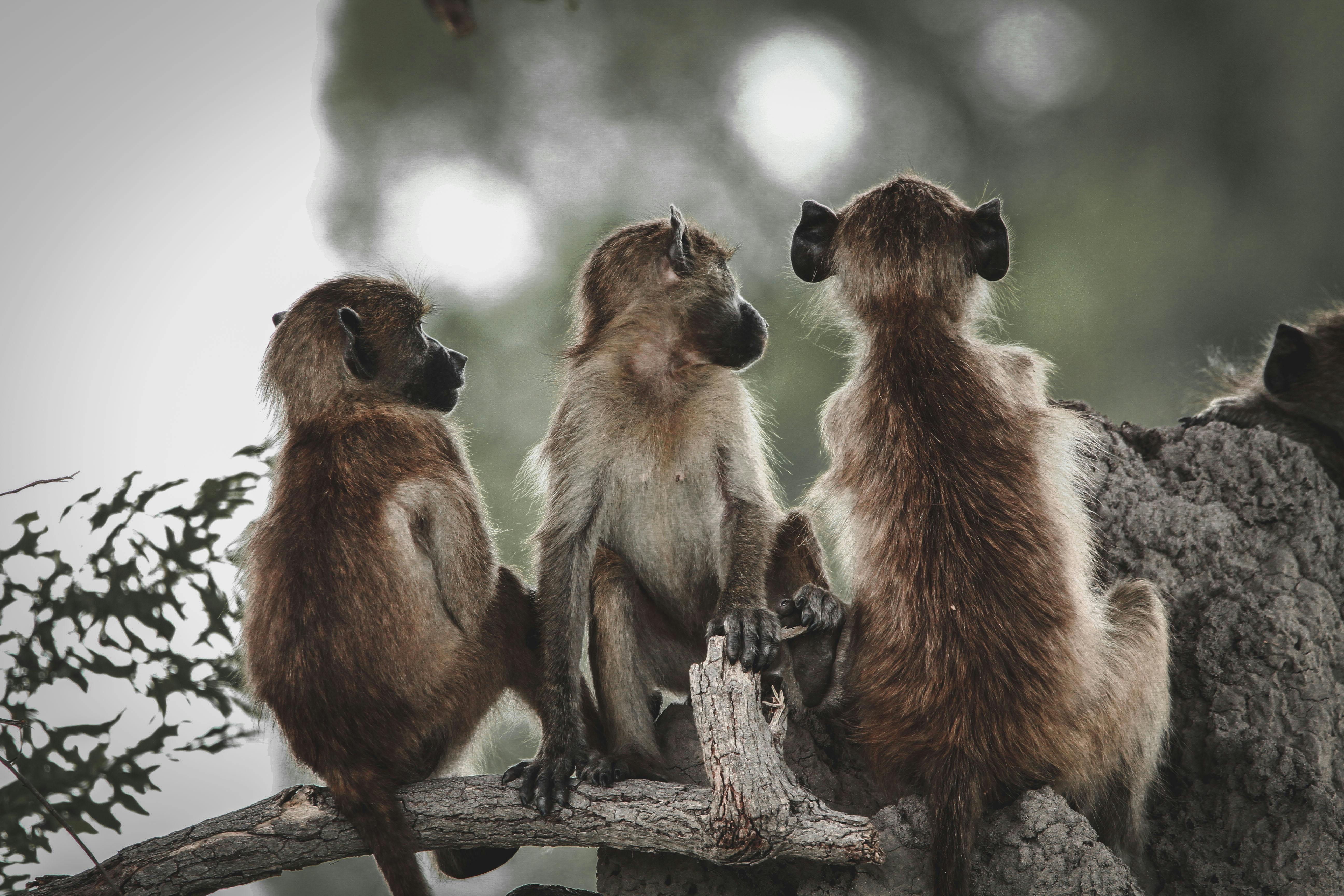
Animal bites are not rare on trips, especially where stray dogs, monkeys or bats are part of the local scenery. The rabies vaccine is often considered for longer stays, rural travel, cycling trips, work with animals, or journeys where good medical care may be hard to reach quickly. At Gunwharf Travel Clinic in Portsmouth, we can look at your route, dates and activities, then talk through whether pre-exposure rabies vaccination makes sense before you go.
A virus passed through saliva after bites and scratches
Rabies is a viral infection that affects the brain and nervous system. People usually catch it when saliva from an infected animal enters the body through a bite or scratch. Saliva getting into the eyes, nose or mouth, or onto broken skin, can also be a risk. Dogs cause most human rabies cases worldwide, but travellers are also bitten or scratched by monkeys, cats and bats. A temple monkey in Bali, a stray dog in India, or a cat in Morocco can all create the same urgent problem: you cannot tell by looking whether the animal carried rabies. Once symptoms start, rabies is almost always fatal. Before symptoms, prompt wound washing and post-exposure treatment can prevent illness, but the right vaccine products and rabies immunoglobulin may be difficult to find outside major cities.
What the rabies vaccine does before you travel
The rabies vaccine used before travel primes your immune system. It does not make an animal bite safe, and it does not remove the need for urgent medical advice after a bite or scratch. What it can do is simplify post-exposure treatment: people who have completed a pre-travel course usually need fewer vaccine doses after exposure and, in most circumstances, do not need rabies immunoglobulin. A standard pre-exposure course is usually three injections, given into the upper arm on days 0, 7 and 21 or 28. If time is tight, an accelerated schedule may be considered, commonly over days 0, 3 and 7, with another dose later if ongoing high-risk travel continues. Children can be vaccinated when assessed individually. Book early if you can. Three to four weeks gives more room, but late travellers should still ask, because a shorter schedule may be better than leaving with no preparation at all.
Places where rabies risk is most relevant
Rabies occurs on every continent except Antarctica, but the highest human burden is in Asia and Africa, especially where dog rabies remains common and access to post-exposure treatment is patchy. India accounts for a large share of global rabies deaths. Risk is also relevant in parts of Southeast Asia, including Thailand, Indonesia, Vietnam, Cambodia and the Philippines, where dog and monkey exposures are reported in travellers. Morocco, parts of sub-Saharan Africa, Pakistan, Sri Lanka and some Latin American destinations may also need discussion. Western Europe, the UK, Australia and many Pacific islands are generally free from rabies in land animals, although bat-related lyssaviruses are a separate issue.
Fit the course around your departure date
If rabies vaccination is on your checklist, bring your destination list, travel dates and planned activities to the appointment. That gives the consultation something useful to work with. Gunwharf Travel Clinic sees travellers from the city as well as nearby Southsea and Gosport, with appointments available Monday to Saturday. You can book online or call 02392821859 if your departure date is close.
Common questions
What Our Customers Ask
How early should I book a rabies vaccine appointment before travel?
Aim for at least three to four weeks before departure if you can, because the standard course takes three doses over 21 to 28 days. If you are leaving sooner, still book; an accelerated schedule may be possible after assessment.
Do I still need treatment after a bite if I have had the rabies vaccine?
Yes. Pre-exposure vaccination does not cancel the need for urgent care after a bite, scratch or saliva exposure. Wash the wound thoroughly with soap and running water, seek medical advice locally, and keep a record of any treatment given.
Places where rabies risk is most relevant
Children may be considered for rabies vaccination, particularly for trips where animal contact or delayed access to medical care is likely. Suitability is assessed individually, including the child’s health, destination, itinerary and vaccine history.
Which travellers are most likely to need rabies vaccination?
It is commonly discussed for long stays, rural travel, cycling or running trips, backpacking, animal work, and travel to places where post-exposure treatment may be hard to obtain quickly. Short resort stays may carry lower risk, but animal bites can still happen.