Sri Lanka Travel Vaccinations and Health Advice
Sri Lanka has no malaria risk, but dengue, rabies, food and water illness and rural JE risk still matter. Get clear travel vaccine advice in Portsmouth.
Malaria is not the main issue in Sri Lanka
For Sri Lanka, many travellers arrive asking about malaria tablets. In practice, the bigger conversation is usually daytime mosquitoes, food and water illness, animal bites, and whether your route includes rural stays or longer family visits. Gunwharf Travel Clinic in Portsmouth can talk through the vaccinations and practical precautions that fit your dates, health history and itinerary, without making the trip sound riskier than it is.
City stops, coast, hill country and family visits all change the health picture
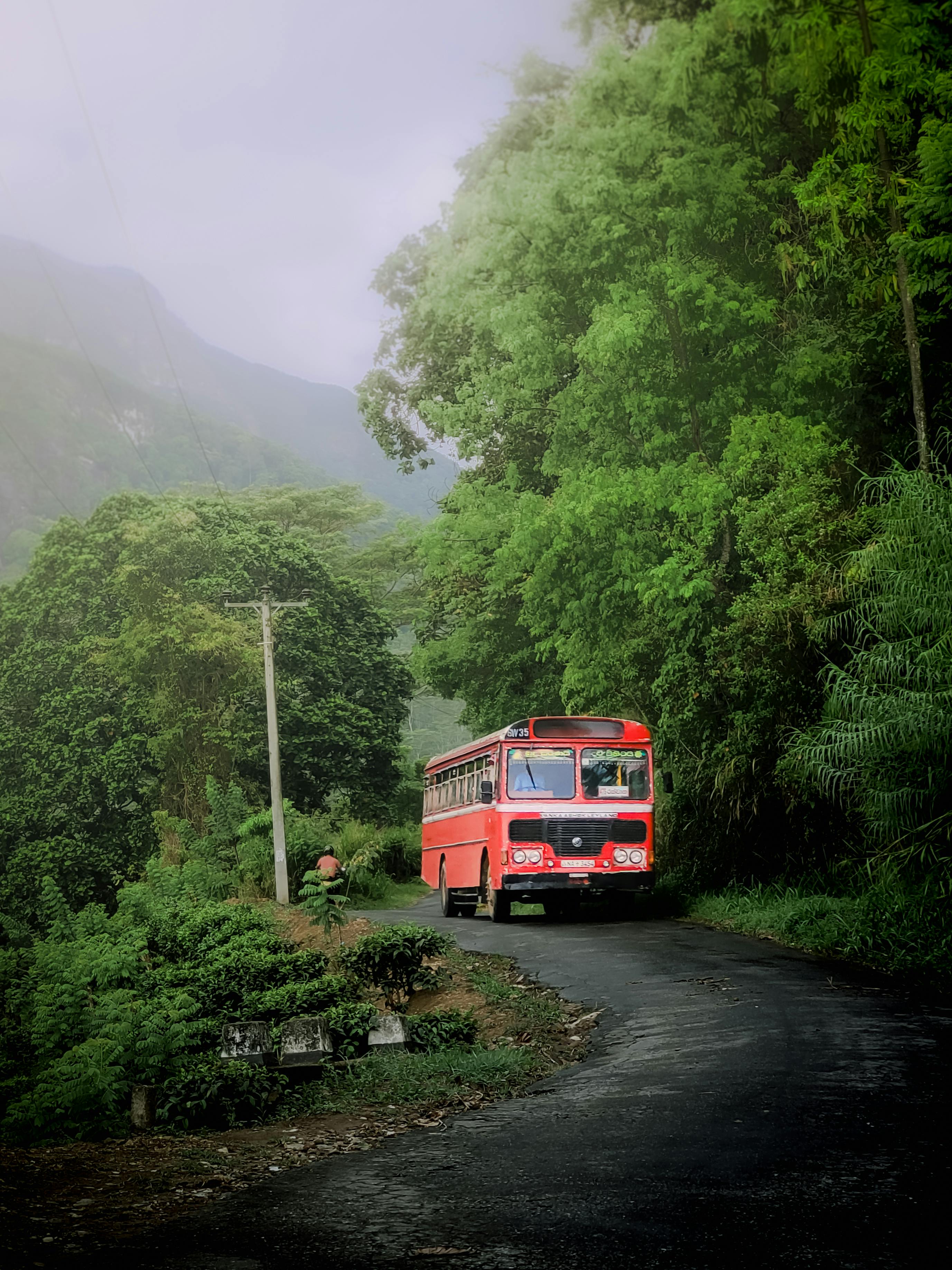
Sri Lanka trips vary a lot. A two-week route through Colombo, Kandy, the south coast and hill country is different from a month staying with relatives, volunteering, cycling, surfing, or travelling into rural farming areas. Accommodation matters too. A well-run hotel with screened rooms and reliable food hygiene carries a different risk profile from basic guesthouses, homestays or long road journeys where you are eating wherever the day takes you. Families often need a more careful conversation because children are more likely to touch animals, miss bite prevention, and struggle with dehydration if they get diarrhoea. Longer stays also widen the vaccine discussion. The country is not a difficult destination for most UK travellers, but the details are worth checking before you fly.
Daytime mosquitoes matter even though malaria does not
Sri Lanka is listed as having no malaria risk, so antimalarial tablets are not usually part of the plan. Do not read that as “no mosquito problem”. Dengue occurs in Sri Lanka and is spread by mosquitoes that bite mainly in the daytime, often in towns and cities as well as surrounding areas. Zika risk is also noted, so anyone pregnant, trying to conceive, or travelling with a partner who may become pregnant should discuss timing and precautions before travel. Chikungunya is another mosquito-borne infection to be aware of. Routine UK vaccinations should be up to date, including MMR and diphtheria-tetanus-polio. Hepatitis A and typhoid are commonly discussed because both relate to food and water exposure. Tetanus matters if cuts, road injuries, hiking or rural travel are plausible. Hepatitis B may be relevant for longer stays, medical work, contact sports, new sexual partners, tattoos, piercings, or possible medical treatment abroad. Rabies is present, with dogs the main concern, although bats can also carry rabies-like viruses. Pre-travel rabies vaccination is worth considering for children, cyclists, runners, animal work, remote travel and stays over a month. Japanese encephalitis occurs in Sri Lanka, with risk throughout the year and peaks around monsoon periods. It is mainly a rural mosquito risk, especially around rice fields, wetlands and pig farming areas, so it is not automatically needed for every short urban or beach trip.
Book four to six weeks before travel if you can
Aim for a travel health appointment four to six weeks before departure. That gives time to check your vaccine history, start any courses that need more than one dose, and talk through mosquito bite prevention before you are packing at midnight. If you leave sooner, still book. Late advice is often useful, especially for bite avoidance, food and water decisions, diarrhoea planning and animal-bite steps. Bring your route, travel dates, vaccine record if you have one, and a note of any medical conditions, regular medicines, pregnancy plans or allergies. For Sri Lanka, a consultation will usually cover daytime insect precautions, repellent strength, covering skin at peak bite times, safer eating and drinking, oral rehydration, sun and heat, road safety, and what to do if an animal bites or scratches you.
A local check before Sri Lanka
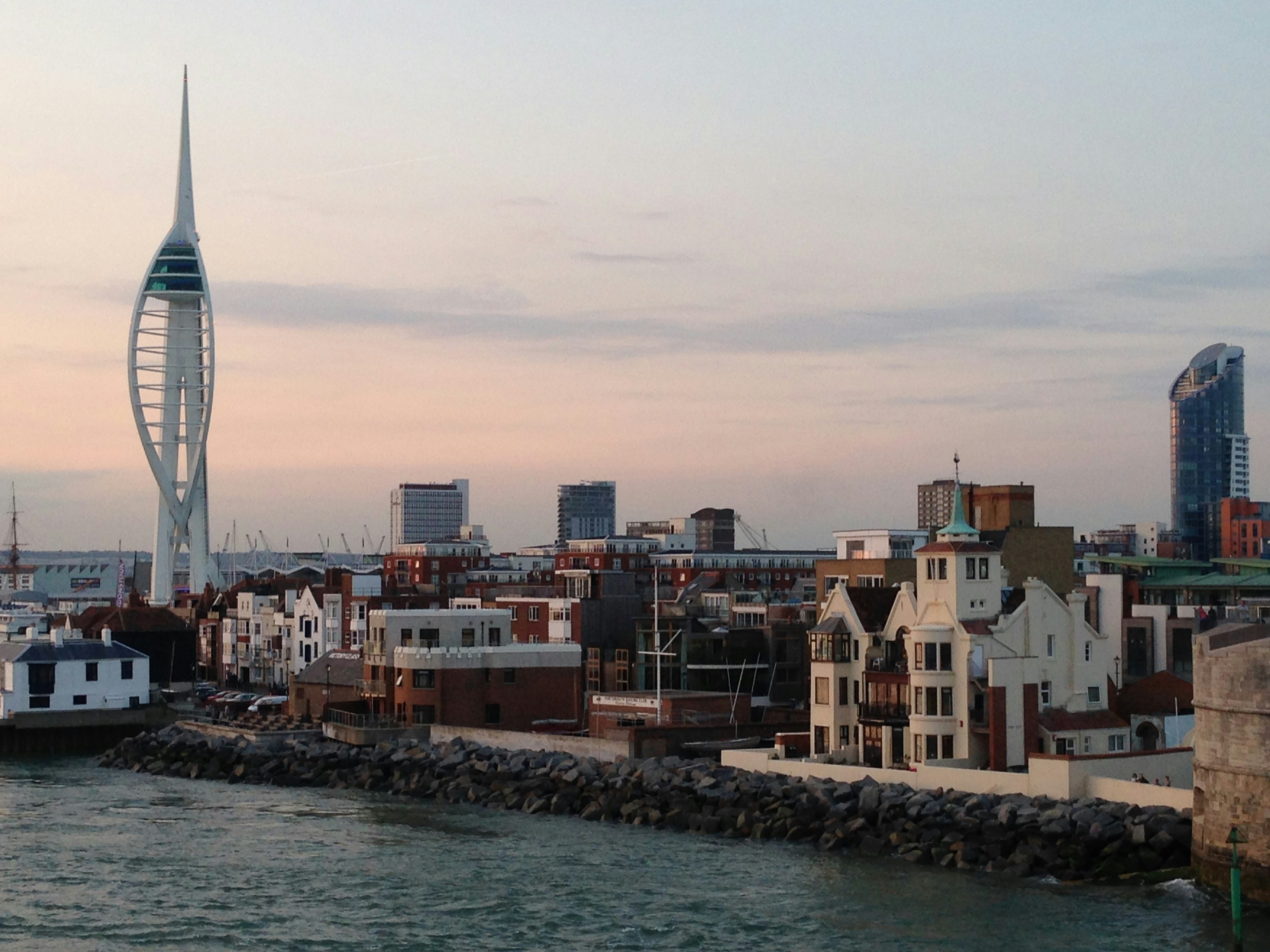
If you are travelling from Portsmouth or nearby Southsea or Gosport, booking locally keeps the planning simple. Choose an appointment online, bring your itinerary, and we will work through what is sensible for your trip. Some people need several vaccines. Others mainly need clear advice and one or two updates. Either way, it is better to know before you go.
Common questions
What Our Customers Ask
Do I need malaria tablets for Sri Lanka?
Malaria tablets are not usually needed for Sri Lanka because the country is listed as having no malaria risk. Mosquito precautions still matter, mainly because dengue, Zika and other daytime mosquito-borne infections can occur.
Which vaccinations are usually considered for Sri Lanka?
Your routine UK vaccines should be up to date first. Hepatitis A, typhoid and tetanus are commonly discussed, with hepatitis B, rabies and Japanese encephalitis considered depending on your route, length of stay, activities and medical history.
How far before my Sri Lanka trip should I book travel vaccinations?
Four to six weeks before travel is a good target because some vaccines need time or more than one dose. If your trip is sooner, book anyway; a travel consultation can still cover useful vaccines and practical risk reduction.
What should I do if a dog or monkey bites me in Sri Lanka?
Wash the wound thoroughly with soap and running water for several minutes and seek urgent medical advice, even if the bite looks small. Rabies is a risk in Sri Lanka, and treatment after an exposure is time-sensitive whether or not you had pre-travel rabies vaccination.