Bangladesh Travel Vaccinations and Health Advice
Bangladesh needs planning for dengue, food and water risks, and malaria only in the Chittagong Hill Tracts. Book local travel advice in Portsmouth.
Dengue in cities, malaria in a narrow corner
For Bangladesh, the health conversation often starts in the wrong place. Most UK travellers do not need malaria tablets for Dhaka or standard city-based trips, but daytime mosquitoes, food and water infections, animal bites and routine vaccine gaps still matter. Gunwharf Travel Clinic in Portsmouth can talk through your route, length of stay and plans before you travel, so you leave with advice that matches the trip you are actually taking.
Family visits, work trips and travel beyond Dhaka
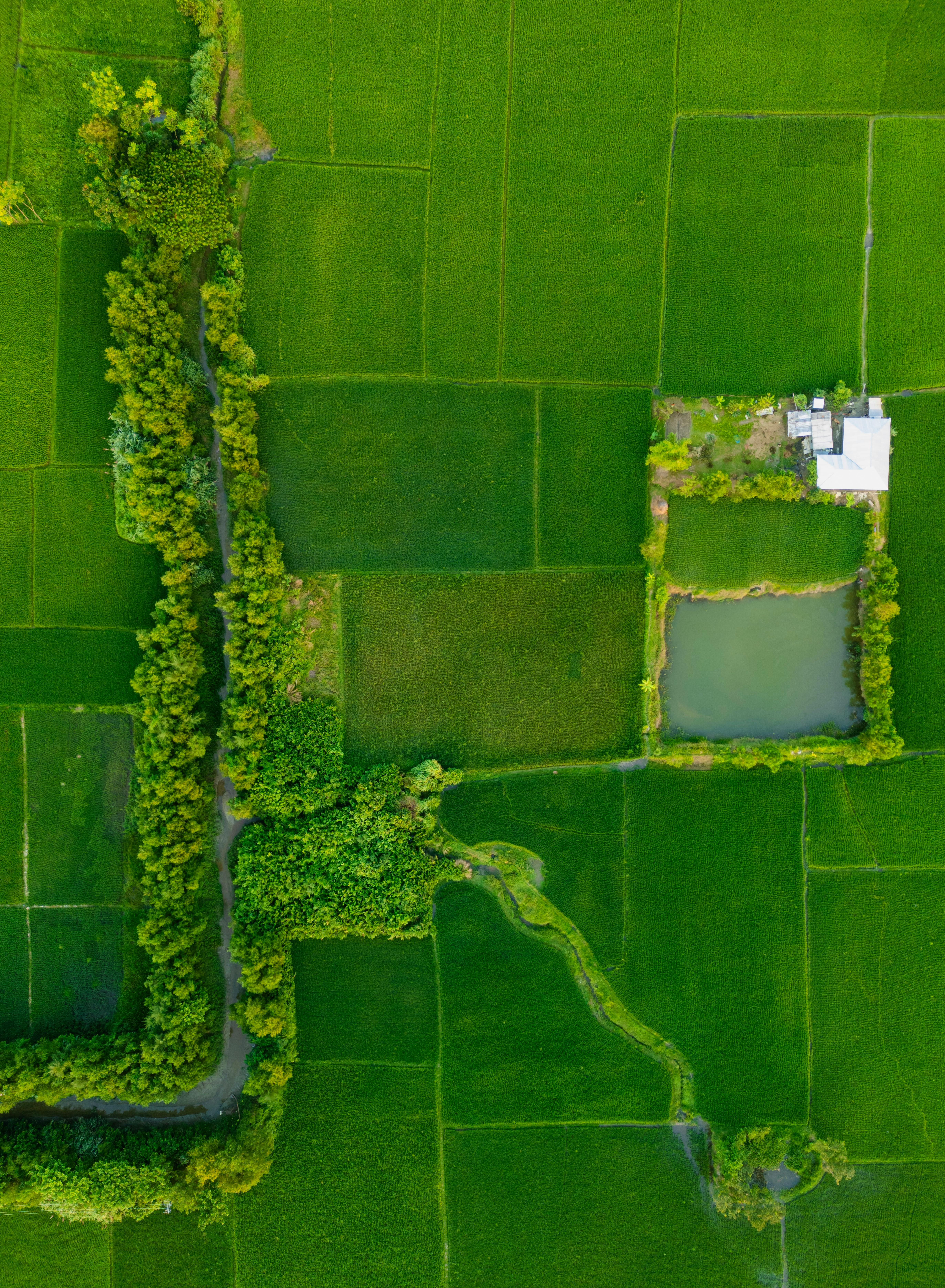
Many UK trips to Bangladesh involve visiting family, attending weddings, working, volunteering or spending time between cities and rural districts. That changes the risk picture. Staying with relatives, eating in homes, travelling by road between divisions or spending several weeks in one place can raise exposure to food and water infections compared with a short hotel-based visit. Dhaka and Chattogram bring the usual urban issues: traffic injury risk, air pollution, heat, and mosquitoes that bite in the day. Rural stays, monsoon travel and time near rice fields or animals can add different concerns, including Japanese encephalitis risk in some circumstances. Children, older adults, pregnant travellers and anyone with diabetes, asthma, heart disease or reduced immunity should plan a little earlier.
Daytime mosquitoes are often the bigger issue
Bangladesh has a split risk profile. Malaria risk is high in the Chittagong Hill Tract districts, where antimalarial tablets are normally recommended. In the rest of the country, including Chittagong city, malaria risk is very low, so bite avoidance and awareness of fever after travel are usually the focus. For many travellers, dengue deserves more attention. Dengue is spread by mosquitoes that often bite during daylight and are common around towns and cities. Chikungunya and Zika are also reported risks, and Zika needs particular discussion if you are pregnant or planning pregnancy. Japanese encephalitis is a separate mosquito-borne infection; it is more relevant for longer rural stays, repeated travel, uncertain itineraries or time around rice fields, wetlands or pig farming areas, especially during and after the monsoon months from June to November. Hepatitis A and typhoid are commonly considered because both spread through contaminated food and water. Tetanus should be up to date, particularly if you may be far from reliable medical care. Hepatitis B may be worth discussing for longer stays, medical work, contact sports, new sexual partners, tattoos, piercings or possible medical treatment abroad. Rabies is present, so bites or scratches from dogs, cats or bats need urgent medical advice, even if you had vaccine before travel.
Four to six weeks gives you better options
Book your travel health appointment about four to six weeks before departure if you can. That leaves time to review your UK routine vaccines, start any multi-dose courses and discuss whether malaria tablets are needed for your exact route. If you are travelling sooner, still come in. Short-notice advice is better than leaving with gaps. Bring your itinerary, previous vaccine records, dates of travel and any medical history, including pregnancy, immune problems, regular medicines and allergies. A Bangladesh consultation should cover food and water precautions, mosquito bite reduction, animal bite plans, travel insurance and what to do if you develop a fever during or after the trip. Pack repellent, use clothing that covers skin when practical, and be stricter with bite avoidance during the day as well as after dusk. With food, the boring rules work: safer water, freshly cooked food, and caution with raw salads, ice and unpasteurised items.
Local advice before you fly
If Bangladesh is on your itinerary, a short appointment can clarify which vaccines, tablets and precautions fit your plans. You can book online with Gunwharf Travel Clinic, or call 02392821859 during opening hours. We are easy to reach for travellers from Southsea and Fareham as well as central Portsmouth, with weekday appointments and Saturday morning availability.
Common questions
What Our Customers Ask
How early should I book Bangladesh travel vaccinations?
Aim for four to six weeks before you travel, especially if you may need more than one vaccine dose or malaria tablets. If your trip is sooner, book anyway; a pharmacist can still check your records, advise on priority vaccines and talk through practical precautions.
Which vaccines are commonly considered for Bangladesh?
Hepatitis A, typhoid and tetanus are commonly discussed for Bangladesh, alongside a check that routine UK vaccines such as MMR and polio-containing vaccines are up to date. Depending on your plans, hepatitis B, rabies, Japanese encephalitis, cholera, flu or other vaccines may also be considered.
Do I need malaria tablets for Dhaka or Chattogram?
Malaria tablets are not usually recommended for most of Bangladesh, including Dhaka and Chittagong city, because risk is very low there. They are normally recommended for the Chittagong Hill Tract districts, so your route matters. Any fever during or after travel should be assessed promptly.
Do I need a yellow fever certificate for Bangladesh?
There is no yellow fever risk in Bangladesh itself. A certificate may be required if you arrive from, or transit through, a country with yellow fever risk. Tell the clinic about all countries on your route, including airport transits, so this can be checked properly.